Why your new restaurant location showed a loss before opening day
Opening a second location costs real money before the first guest arrives. What you do with that spend in the books determines whether year-one losses are real or manufactured.
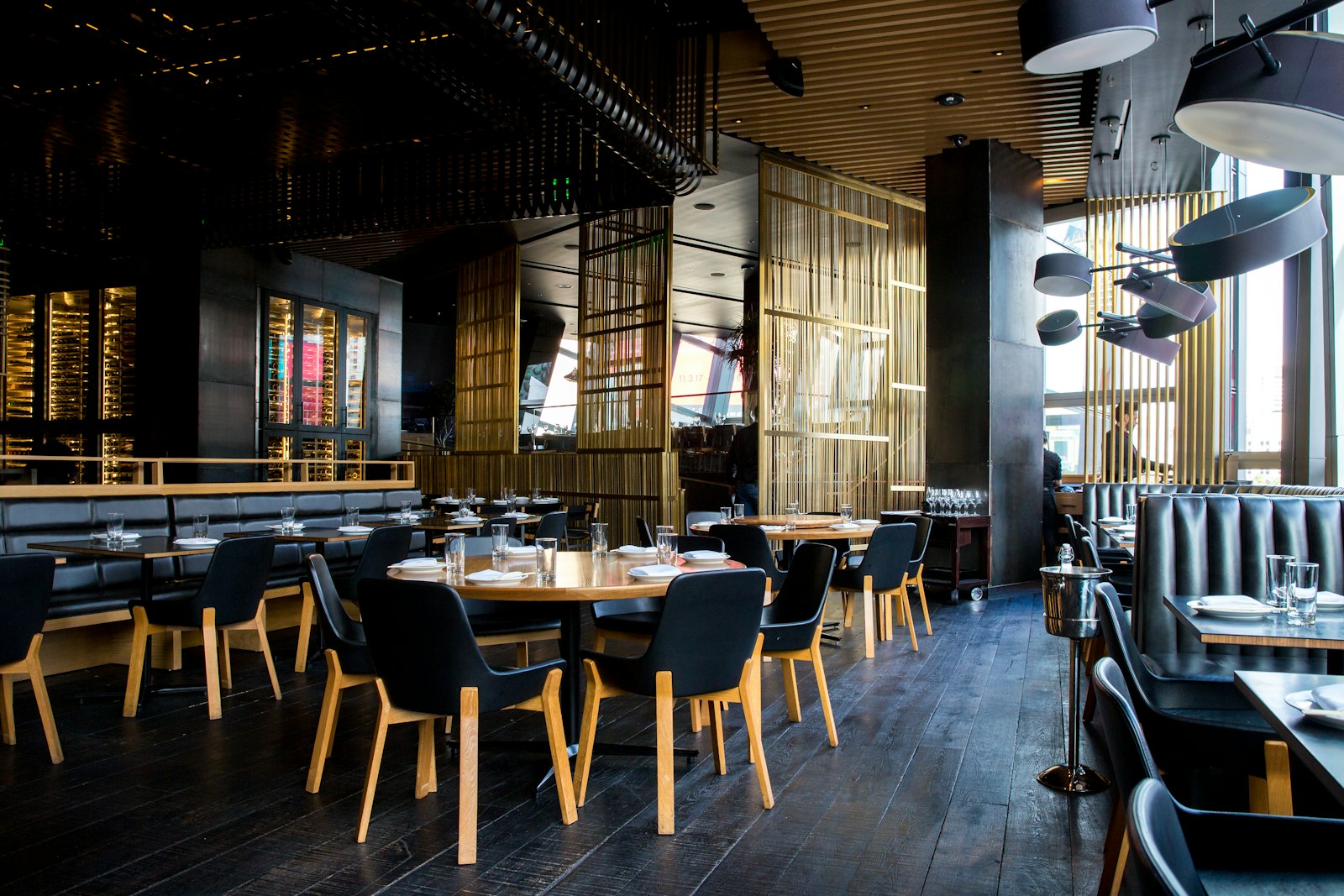
A restaurant owner we work with opened a second location in the spring. The build-out took twelve weeks. By the time the doors opened, the books showed $112,000 in accumulated costs going back to the first contractor invoice. The first Profit and Loss report (P&L) had the new location deeply in the red before a single table had been served.
The loss was not real. Almost $96,600 of that pre-opening spend belonged on the balance sheet, not on the expense report.
Why pre-opening costs split into two groups
Pre-opening costs for a restaurant fall into two groups with very different bookkeeping treatment.
The first group covers spending that creates a physical asset with a useful life measured in years. Build-out work, kitchen equipment, and deposits all belong here. These costs are capitalized: they go on the balance sheet as assets, and their cost flows through the books as depreciation (spreading the cost of a long-life asset over the years it is used) over time.
The second group covers spending that consumed resources during the opening period without creating a lasting asset. Training payroll, soft-opening food, and pre-opening marketing belong here. These are expensed in the period they occur.
When all pre-opening costs hit the P&L at once, year-one performance looks far worse than it is, and the balance sheet shows no assets to match the investment the owner made.
What belongs on the balance sheet
Leasehold improvements. Any work done to build out a leased space belongs on the balance sheet. Kitchen construction, bar installation, flooring, lighting, and ventilation are all leasehold improvements. Each one is depreciated over the shorter of the lease term or the improvement’s useful life. A $67,000 build-out in a space with a seven-year lease generates roughly $9,570 in annual depreciation going forward. It is not a $67,000 write-off in the month the contractor is paid.
Kitchen equipment and refrigeration. Equipment purchases above a capitalization threshold are fixed assets. A $12,000 refrigeration and smallwares purchase does not belong on the same expense line as paper towels. It goes on the balance sheet and depreciates over five to seven years depending on the item type. Delivery charges and installation labor for that equipment are also capitalized: they are added to the equipment’s total cost on the balance sheet, not expensed on a separate line.
Security deposits and bonds. Security deposits paid to a landlord, utility deposits, and liquor license surety bonds are not expenses. They are assets. The money may never come back, but until it is applied or forfeited, it belongs on the balance sheet as a deposit asset. Recording a $15,200 security deposit as rent expense overstates expenses by $15,200 immediately.
Training payroll and pre-opening food. Payroll paid to employees during the pre-opening training period is expensed as incurred. It does not create a lasting asset. Record it in the same payroll expense accounts you will use after opening. Soft-opening food and beverage consumed during staff training and testing goes to food cost in the month it is used.
What a full pre-opening cost breakdown looks like
Here is what the second location’s pre-opening spend looked like, broken into proper categories.
| Cost line | Amount | Treatment |
|---|---|---|
| Kitchen and dining room build-out | $67,000 | Leasehold improvement, depreciate over 7 years |
| Kitchen equipment and refrigeration | $12,000 | Fixed asset, depreciate over 5 to 7 years |
| Equipment delivery and installation | $2,400 | Added to equipment cost, depreciate together |
| Landlord security deposit | $15,200 | Deposit asset, stays on balance sheet |
| Training payroll, three-week period | $8,200 | Period expense, charged in month incurred |
| Soft-opening food and beverage | $3,500 | Period expense, charged in month incurred |
| Pre-opening marketing and signage | $3,700 | Period expense, charged in month incurred |
| Total pre-opening spend | $112,000 | |
| Amount correctly on balance sheet | $96,600 | |
| True P&L expense | $15,400 |
The first month of operations should show $15,400 in legitimate pre-opening expenses, plus ongoing depreciation from that point forward. Not $112,000.
Why recording this incorrectly creates problems
Three problems develop when pre-opening costs are expensed all at once.
Year-one performance looks worse than it is. When $96,600 of capitalizeable costs hits the P&L at once, the new location appears to be losing money heavily before it has had a chance to operate. Owners sometimes draw incorrect conclusions about whether a second location is viable, based on a P&L that is not reporting operations accurately.
The balance sheet shows no assets for the investment made. An owner who spent $81,400 on build-out and equipment should see that reflected on the balance sheet. When those costs are expensed, the books show a large P&L loss but no corresponding increase in assets. That gap complicates year-end review, lender reporting, and any future valuation of the business.
Depreciation is missing going forward. When build-out and equipment are properly capitalized, their cost flows through the P&L as depreciation year by year. That is an accurate operating cost of running the location. Expensing everything up front makes year one look far worse than it is, and understates true costs in every year that follows.
How we handle this for restaurant clients
For restaurant clients opening a new location or doing a significant remodel, the work starts before the first contractor invoice arrives. Each cost is coded at that time: leasehold improvement, equipment asset, deposit, or period expense. By the time the doors open, the balance sheet reflects the actual investment and the P&L reflects only the costs that were truly consumed during the pre-opening period.
Depreciation begins in the month the asset is placed into service. If a kitchen was built over three months, the depreciation clock starts when the restaurant opens, not when the final draw was funded.
For clients who have already opened and expensed everything in one month, the correction is straightforward. We identify the capitalizeable costs, reclassify them from expense accounts to fixed asset accounts on the balance sheet, establish the depreciation schedule, and record the correction in the books. The result is a P&L that reflects actual operations and a balance sheet that shows what was actually purchased.
Best practices for new locations
A few practices that keep pre-opening costs recorded correctly:
- Set up a tracking category for pre-opening expenditures before the first check is written. Reclassifying costs after the fact is slower than coding them correctly when each invoice arrives.
- Use a capitalization threshold of $500 to $1,000 for equipment. Items below the threshold are expensed. Items above go on the asset register with a depreciation schedule.
- Record security deposits and utility deposits as deposit assets on day one. Create an account called Deposits or Refundable Deposits for this purpose. Review the balance when the lease term ends or is renewed.
- Keep the contractor draw schedule and invoice package for every leasehold improvement. This documentation supports the asset value if the books are ever reviewed.
- Book depreciation monthly rather than as a single annual entry. Monthly entries give a more accurate monthly P&L throughout the year.
Three questions worth asking
- What is the balance in fixed assets on the balance sheet, and does it reflect the total amount spent on the build-out and equipment for each location?
- How was the security deposit paid to the landlord recorded, and does it appear as an asset or as rent expense?
- Were pre-opening costs coded at the time of payment, or were all invoices charged to operating expense without review?
If you are opening a new location or if you recently opened one and the year-one P&L does not look right, send us your pre-opening invoices. We will review how those costs were recorded and show you what the balance sheet should reflect before the first annual close is filed.
- KITCHEN BUILD-OUT$67,000 build-out costs charged to operating expense
- KITCHEN EQUIPMENT$12,000 in refrigeration and smallwares expensed
- DELIVERY AND INSTALL$2,400 delivery and installation costs expensed
- SECURITY DEPOSIT$15,200 deposit expensed when paid to landlord
- LEASEHOLD IMPROVEMENTCapitalized and depreciated over the 7-year lease term
- FIXED ASSETCapitalized and depreciated over 5 to 7 years
- ADDED TO ASSET COSTDelivery and install rolled into the equipment's value
- DEPOSIT ASSETHeld on the balance sheet until returned or applied
Want a second set of eyes on your books?
30 minutes on Zoom. We'll look at your books and tell you what's working and what isn't.
This is the work we do every day. See bookkeeping for restaurants.
Book a call