Why your bar, dining room, and delivery channel need separate profit and loss reports
A blended P&L tells you the average margin across every channel. It hides which revenue center is profitable and which one is draining cash.
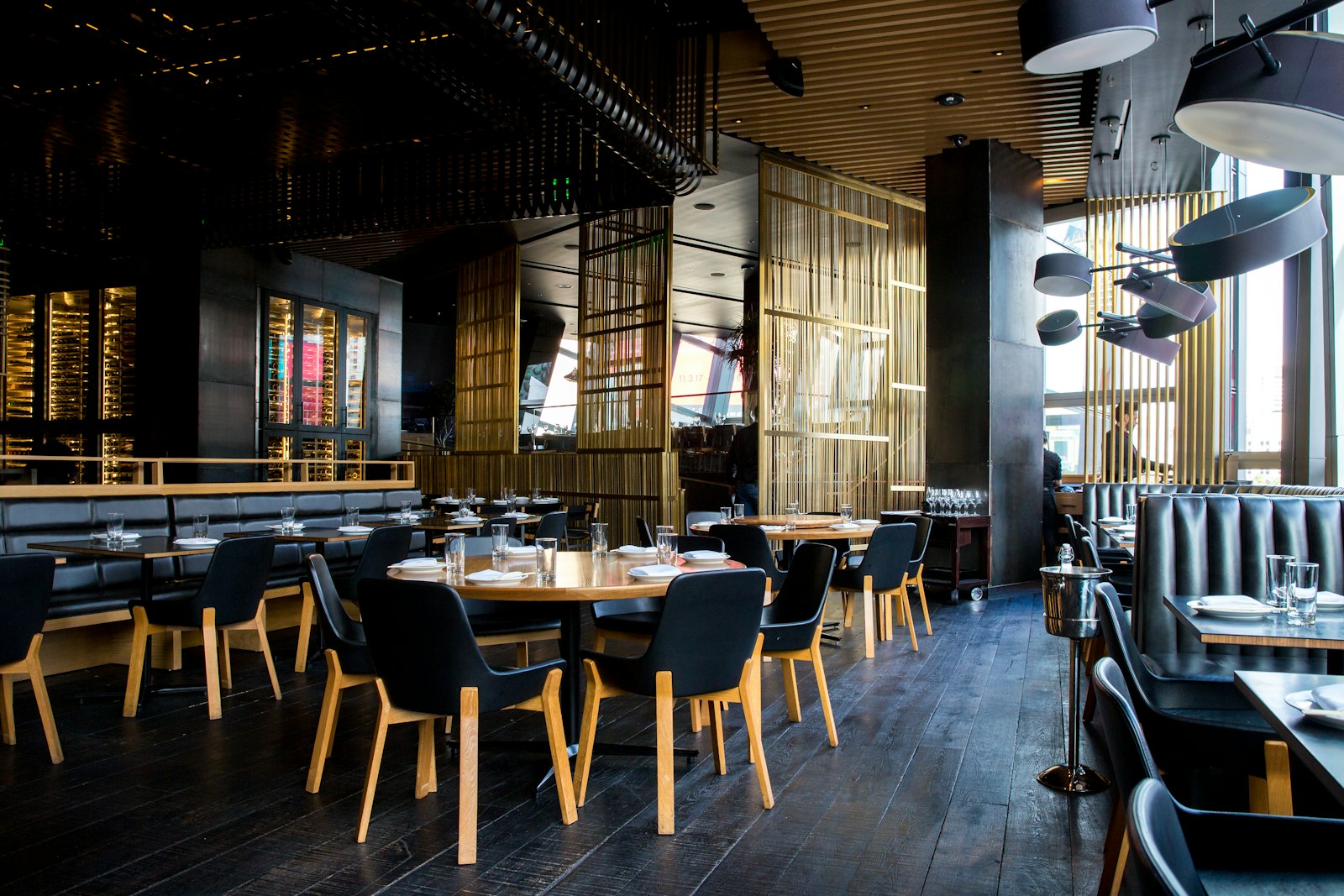
A restaurant owner we work with ran a 44-seat casual dining spot in Austin. $92,000 in monthly revenue, a full bar, and a growing DoorDash presence. The Profit and Loss report (P&L) combined all three channels into one view: one food cost line, one labor line, one revenue total. The reported margin was 41 percent. He was adding menu items, allocating more staff to delivery, and preparing to expand his pickup operation.
Three months in, cash was tighter than the P&L suggested it should be. Revenue had risen. Margin had barely moved. Nothing in the report explained why.
The books were not wrong. They were averaging.
What a blended P&L shows and hides
A P&L that combines all revenue channels tells you what the business makes in total. It does not tell you which channel makes money and which one does not.
For a restaurant running a dining room, a bar program, and third-party delivery at the same time, the blended margin is the weighted average of three very different cost structures. A bar running at 64 percent gross margin and a delivery channel running at 20 percent combined produce a 41 percent business number. They are not the same business, and they should not be managed using the same number.
Four accounting gaps cause the channels to merge:
The point-of-sale system defaults to combined sales. Toast, Square, and most other systems ring every order into a single revenue account unless categories are mapped separately in QuickBooks. Most restaurants never change the default setup.
Food cost is purchased as one category. A single distributor invoice covers ingredients for every menu item on every channel. Nothing in the books separates bar cost from kitchen cost until someone maps each purchase to the channel it belongs to. Without that mapping, food cost is one percentage applied to total revenue.
Labor is not split by channel. Servers handle dine-in tables and pack delivery bags on the same shift. Bartenders fill to-go cocktail orders during slow bar service. Payroll shows total hours, not which channel each hour supported. An owner who does not split labor by channel cannot know whether delivery is understaffed, overstaffed, or accurately reflected in the cost structure.
Third-party platform fees are deducted before the deposit. DoorDash and Uber Eats remit a net payment after taking their cut. An owner who records that deposit as delivery sales is understating food and beverage cost and overstating delivery margin. The platform fee, typically 20 to 30 percent of the order, was already removed before the money hit the bank.
What the three channels actually looked like
Here is the Austin restaurant’s monthly P&L once each channel was separated.
| Channel | Revenue | Food/Pour Cost | Platform Fees | Labor | Net Margin |
|---|---|---|---|---|---|
| Dining room | $48,000 | $16,800 (35%) | — | $12,960 (27%) | $18,240 (38%) |
| Bar program | $24,000 | $4,800 (20%) | — | $3,840 (16%) | $15,360 (64%) |
| Delivery | $20,000 | $8,000 (40%) | $5,200 (26%) | $2,800 (14%) | $4,000 (20%) |
| Combined | $92,000 | $29,600 (32%) | $5,200 (6%) | $19,600 (21%) | $37,600 (41%) |
The bar at 64 percent was carrying the dining room at 38 percent and subsidizing delivery at 20 percent. The combined margin of 41 percent masked that the channel receiving more staff and marketing budget was the least profitable one by a wide margin.
Why this matters
Two problems develop when channels share one P&L.
Capital decisions use the wrong number. A restaurant adding delivery capacity, negotiating platform rates, or building a ghost kitchen needs to know delivery margin in isolation, not the blended figure. A 41 percent combined margin signals expansion. A 20 percent delivery margin signals pricing review and platform renegotiation before anything else.
Cost problems have no location. When food cost climbs from 32 to 37 percent on the blended P&L, the report cannot tell you whether the increase came from kitchen waste, a delivery menu with higher food cost items, or a bar that changed its pour spec. Separating the channels tells you which cost center moved and why.
What proper revenue center tracking looks like
For restaurant clients we work with, class tracking in QuickBooks assigns every transaction to the channel it belongs to. Sales, cost of goods sold, and labor are each tagged to Dining Room, Bar, or Delivery as they are recorded. Third-party delivery deposits are entered at gross: the payout is grossed up, and the platform fee is posted as a separate expense line so it shows up in the P&L.
At month-end, the owner receives three channel P&Ls alongside one consolidated view. Channel decisions come from the channel P&L. Staffing decisions come from the channel labor split. No numbers are averaged before they are reviewed.
Best practices for restaurant operators
Steps that keep revenue center P&L accurate from month to month:
- Set up a separate income account in QuickBooks for each revenue channel before the period opens. Reclassifying a quarter of transactions after the fact takes far longer than mapping the accounts correctly once.
- Record third-party delivery deposits at gross. Add back the platform fee shown on the payout statement and enter the full order value as delivery sales, with the fee as a separate merchant expense line.
- Estimate labor by channel. A server who works both dining room and delivery on the same shift should have hours split by function. A rough allocation based on shift breakdown is better than no split.
- Review each channel’s cost percentage monthly, separately from the combined view. A combined food cost that holds steady while one channel drifts can hide a real problem for several months.
- Before adding a new revenue channel, build a channel-level margin model first. A delivery-only dark kitchen at 20 percent margin carries different rent, labor, and overhead assumptions than a dining room expansion at 38 percent.
Three questions worth asking
If you are not sure how your channels are tracked today, three questions to put to whoever manages your books:
- Can you produce a P&L broken out by dining room, bar, and delivery separately, or do all three channels roll into one combined report?
- How are third-party delivery deposits entered? Does the platform fee appear as a separate expense line or is it already netted out of revenue before it is recorded?
- What is the food cost percentage for delivery-only menu items compared to dine-in, and is that split visible anywhere in the current books?
If those answers are uncertain, the combined P&L is doing the work that three separate reports should be doing. The fix is a chart of accounts change and a revised journal entry process. It is not a software upgrade.
If you want to see what each of your channels actually earns, send us your most recent P&L along with a payout summary from your delivery platform. We will map the channels, show you where the margin is going, and tell you whether the expansion you are planning makes sense at the real numbers.
- TOTAL REVENUE$92,000 in combined monthly sales
- BLENDED FOOD COST32 percent, looks manageable on its face
- BLENDED LABOR27 percent, roughly on target for the industry
- NET MARGIN41 percent, nothing flags as a problem
- DINING ROOM$48,000 revenue, 38 percent margin
- BAR PROGRAM$24,000 revenue, 64 percent margin
- DELIVERY CHANNEL$20,000 revenue, 20 percent margin
- PLATFORM FEES$5,200 never recorded as a line-item expense
Want a second set of eyes on your books?
30 minutes on Zoom. We'll look at your books and tell you what's working and what isn't.
This is the work we do every day. See bookkeeping for restaurants.
Book a call